

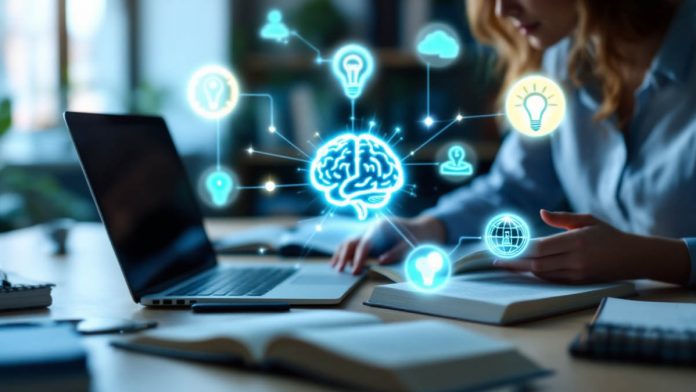
From early childhood, many of us are introduced to school and formal education. But real growth does not end with graduation. Lifelong learning—the practice of pursuing knowledge and skills well beyond formal education—has become one of the most important habits for personal fulfillment and professional success in today’s fast-changing world. Whether it’s learning a new language, taking online courses, or simply reading daily, adopting the mindset of a lifelong learner can transform the way we live and work.
What is Lifelong Learning?
In simple terms, lifelong learning is the continuous pursuit of knowledge throughout one’s life. Unlike formal education that follows a structured curriculum, lifelong learning can happen anywhere—at work, at home, or even while pursuing hobbies.
Experts describe three main forms of learning:
- Formal learning: education within structured settings like schools, universities, or corporate training programs.
- Non-formal learning: skill-building through activities such as workshops, vocational training, or workplace development programs.
- Informal learning: knowledge gained from daily experiences like reading books, exploring hobbies, or joining interest groups.
The beauty of lifelong learning lies in its flexibility and accessibility. No matter your age or stage in life, you can adopt new skills and expand your horizons.
Why Lifelong Learning Matters More Than Ever
With rapid globalization and technological innovation, job markets and industries are evolving constantly. Careers that were once stable are now changing at record speed. This reality makes lifelong learning essential—not just as a hobby, but as a survival tool for professional and personal growth.
Key Benefits of Lifelong Learning
1. Keeps Your Brain Healthy
One of the most powerful benefits of lifelong learning is its impact on brain health. Studies have shown that mental stimulation reduces the risk of dementia and slows down cognitive decline. Regularly engaging in learning activities keeps the brain active, sharp, and adaptable. Just as physical exercise strengthens the body, mental exercise through learning strengthens the mind.
2. Boosts Career Opportunities
In the workplace, staying relevant means staying competitive. Very few career paths remain static, especially in the digital age. By updating skills and learning new technologies, you can position yourself for promotions, higher-paying roles, or entirely new career paths. For example, enrolling in an online certification course or learning data analytics can give professionals an edge in today’s job market.
3. Enhances Quality of Life
Beyond professional gains, lifelong learning enriches everyday living. It builds self-confidence, fosters curiosity, and brings joy through discovery. Whether you’re learning photography, playing a musical instrument, or joining a book club, these experiences expand your worldview and improve overall happiness.
10 Habits of Successful Lifelong Learners
1. Nurture a Growth Mindset
View challenges as opportunities to grow. This mindset allows you to stay open to new ideas and experiences.
2. Welcome New Challenges
Learning often requires stepping out of your comfort zone. Embracing new challenges builds resilience and adaptability.
3. Take Ownership of Your Future
No one will push you to keep learning as an adult—you must take responsibility for your own personal and professional growth.
4. Make Reading a Daily Habit
Reading is one of the simplest and most effective ways to gain new knowledge. Just 15–30 minutes a day can make a big difference.
5. Develop Time Management Skills
Busy schedules can be overwhelming. Prioritize learning by scheduling it into your routine—whether it’s an online course or daily journaling.
6. Pursue Your Passions
Explore subjects that excite you. From painting to coding, pursuing passions fuels motivation and makes learning enjoyable.
7. Stay Curious
Curiosity is the engine of lifelong learning. Ask questions, explore new fields, and never stop wondering about the world around you.
8. Balance Learning with Rest
Effective learning requires self-care. Adequate rest, exercise, and downtime are essential for processing and retaining knowledge.
9. Learn with Intention
Set specific goals—like mastering a new skill within six months. Intentional learning keeps you focused and motivated.
10. Take Courses Regularly
Leverage the internet’s abundance of online courses. From free tutorials to professional certifications, opportunities for structured learning are everywhere.
Conclusion
Lifelong learning is not just an educational trend—it’s a necessity. In a world where industries, technologies, and lifestyles are evolving at lightning speed, adopting the habits of a lifelong learner ensures you stay adaptable, healthy, and fulfilled. Whether you’re aiming for career advancement, personal growth, or mental well-being, the commitment to learning pays dividends at every stage of life. Start today, nurture your curiosity, and open the door to endless possibilities.