

As digital transformation accelerates, education is moving beyond classrooms and into lifelong, community-driven ecosystems. The next wave of EdTech growth centers on collaboration, continuous learning, and trusted verification of skills. Here are five more trends shaping the future of global education.
The first is social learning and digital communities. Learners thrive when they interact, exchange ideas, and collaborate online. Forums, peer projects, and mentorship networks are becoming essential in EdTech platforms. Since trust and accountability matter, blockchain solutions like LutinX can record group project contributions and validate peer-assessed achievements, ensuring fairness and transparency in collaborative learning.
The second powerful force is lifelong learning. Education no longer ends after graduation; it extends across careers and personal growth. By 2050, there will be 2 billion more graduates worldwide than today, driven by reskilling needs. EdTech platforms now offer professional training on demand, while corporations like Google and Amazon invest billions in employee development. Blockchain verification ensures that these skills remain portable and universally recognized, as with LutinX micro-certificates that can be stored and shared securely across borders.
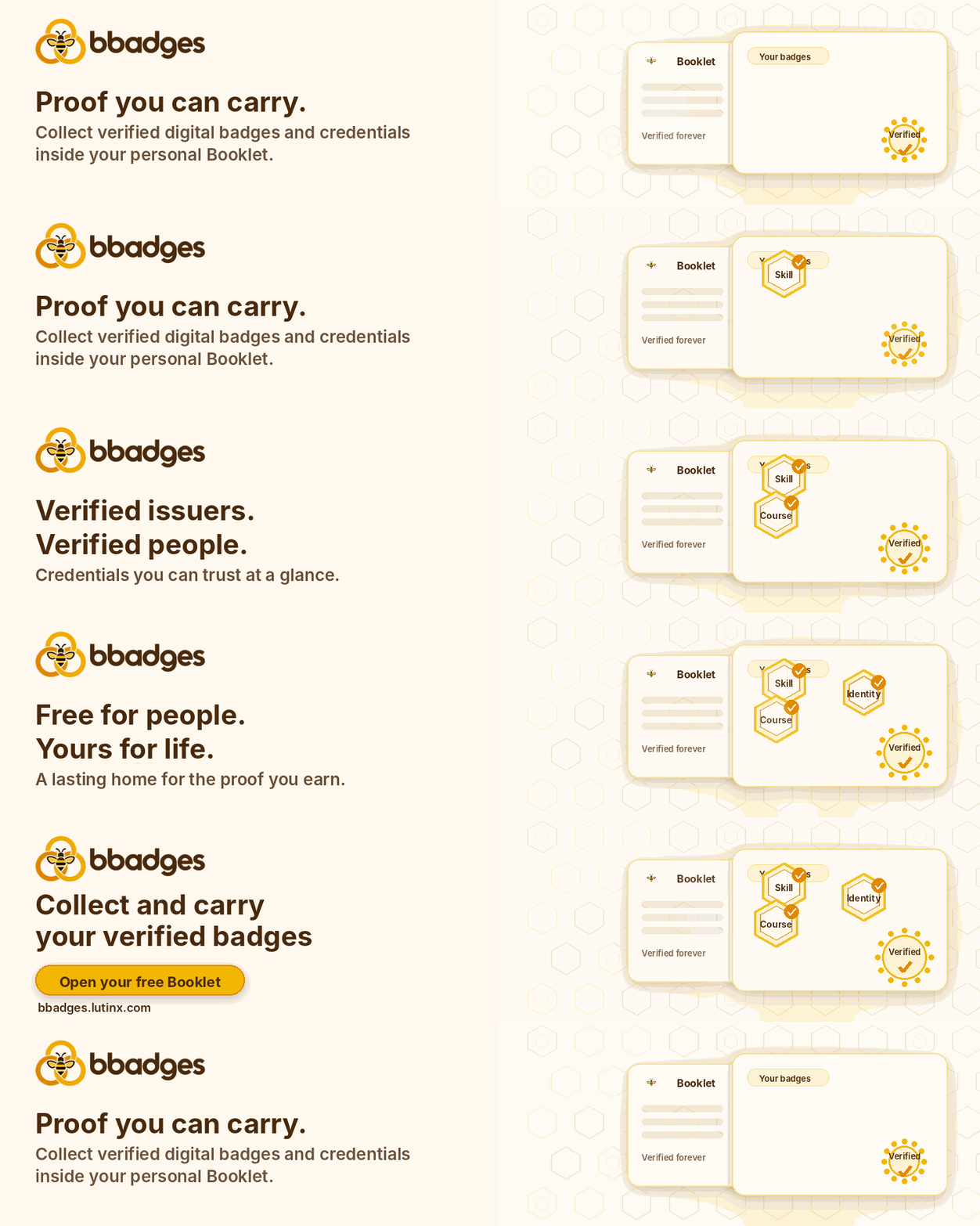
Next comes micro-credentials and digital certificates, reshaping how knowledge is validated. Instead of long degrees, learners now collect stackable badges and short-term certifications. The European Approach to Microcredentials has already standardized recognition in many universities. Blockchain systems like LutinX provide immutable proof of these certifications, making them trusted by employers and institutions globally. This transparency reduces fraud and increases trust in online learning credentials.
The fourth key trend is digital literacy as a necessity. By 2024, 75% of job postings required IT skills, making digital competence as essential as reading and writing. Blockchain adds another dimension: it allows individuals to securely own and share their digital identity, skills, and achievements without relying on centralized databases. With LutinX, a learner’s entire digital journey—from coding to cybersecurity—can be verified instantly.
Finally, the rise of social-emotional learning (SEL) and mental health awareness is reshaping education priorities. Schools and platforms are investing in well-being tools to help learners manage stress, develop empathy, and build resilience. Hundreds of EdTech startups are entering the digital mental health education market, creating a $ multi-billion niche. Blockchain supports this ecosystem by ensuring data security and privacy—critical when handling sensitive information. With LutinX, student well-being initiatives can be certified, tracked, and trusted.
Conclusion: Social learning, lifelong education, micro-credentials, digital literacy, and emotional well-being are reshaping the global education landscape. By integrating blockchain solutions like LutinX, education systems can guarantee trusted certifications, protect intellectual property, and secure sensitive student data. The future of EdTech is not only digital—it is verifiable, transparent, and powered by trust.