

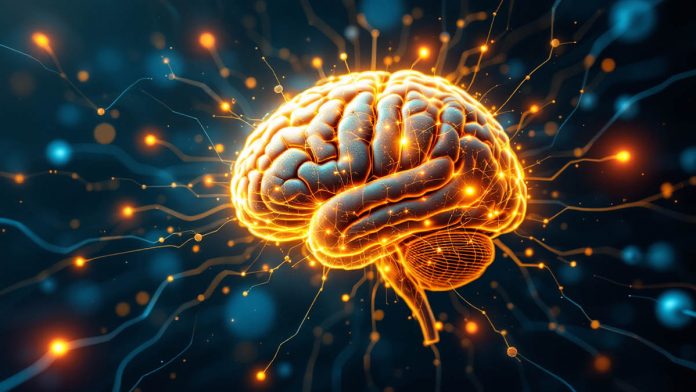
Ever wondered why some people seem to absorb information effortlessly while others struggle to remember what they studied yesterday? The answer lies in understanding how your brain naturally learns and working with its biological processes rather than against them. Modern neuroscience has revolutionized our understanding of learning, revealing that your brain is far more adaptable than previously thought.
The traditional approach of “forcing” yourself to study through sheer willpower often backfires because it ignores fundamental principles of how neural networks actually function. Instead of battling your brain, you can harness its natural learning mechanisms to achieve remarkable results with less effort and more enjoyment.
Your Brain Is a Learning Machine That Never Stops Growing
Here’s something that might surprise you: your brain is constantly rewiring itself, forming new connections and pathways every single day. This phenomenon, called neuroplasticity, means you’re never too old to learn new skills or improve existing ones.
Scientists once believed adult brains were fixed structures, like computer hardware that couldn’t be upgraded. This outdated view has been completely demolished by decades of research showing that our brains remain remarkably flexible throughout our entire lives.
One of the most compelling studies involved London cab drivers who spend years memorizing the city’s complex street layout. Researchers discovered that the longer drivers had been navigating London’s maze-like roads, the larger their hippocampus became – the brain region responsible for spatial memory and navigation. This wasn’t just correlation; their brains had literally grown in response to intensive learning.
Similar findings have emerged across multiple domains. Musicians show enlarged motor and auditory cortex regions. Mathematicians develop enhanced areas for numerical processing. Your brain physically adapts to whatever you practice most, creating specialized neural highways for skills you use regularly.
This means every time you engage in focused learning, you’re not just acquiring information – you’re actually reshaping your brain’s architecture. The key is understanding how to optimize this natural process.
The Four Pillars of Effective Brain Training
Successful learning requires four essential elements working in harmony: motivation, attention, memory consolidation, and creative processing. Think of these as the four cylinders of your learning engine – when all are firing properly, you achieve peak performance.
Most traditional education systems fail because they only focus on one or two of these elements while ignoring the others. By consciously developing all four areas, you can dramatically accelerate your learning speed while making the process more enjoyable.
Motivation: Programming Your Brain’s Reward System for Success
Your brain contains sophisticated reward circuits that evolved to encourage behaviors essential for survival. The good news? Learning naturally triggers these same pleasure pathways that once helped our ancestors survive in harsh environments.
The neurotransmitter dopamine plays a crucial role in this process. Often misunderstood as simply a “pleasure chemical,” dopamine actually functions more like an internal motivation coach, driving you toward activities that promise future rewards.
Smart learners know how to hack their dopamine system through strategic reward scheduling. Instead of waiting until you complete an entire course or project, break your learning into smaller chunks and celebrate each milestone. This creates a positive feedback loop that makes your brain crave more learning sessions.
However, not all rewards are created equal. Avoid using substances like sugar, caffeine, or alcohol as learning rewards, as these can actually disrupt your natural motivation circuits over time. Instead, choose rewards that align with your long-term goals: new books, experiences, or tools that support your learning journey.
The most powerful motivation comes from connecting your learning to vivid future scenarios. Your brain responds remarkably well to detailed visualization exercises. Spend time regularly imagining how your new skills will transform your career, relationships, or lifestyle. The more specific and emotionally compelling these visions, the stronger your motivation becomes.
Memory: Building Knowledge That Lasts
Your brain doesn’t store memories like files on a computer. Instead, information gets distributed across multiple neural networks and linked through associations. Understanding this process allows you to dramatically improve both learning speed and retention.
The most effective memory strategy involves creating rich associative networks around new information. Instead of trying to memorize isolated facts, always connect new knowledge to things you already understand. Ask yourself: “How does this relate to what I already know?” and “Where might I use this information?”
Spaced repetition represents another crucial memory principle. Your brain strengthens neural pathways through repeated activation, but the timing matters enormously. Reviewing information just as you’re about to forget it creates the strongest long-term memories.
Many successful learners use digital spaced repetition systems like Anki or Quizlet to automate this process. These tools present information at scientifically optimized intervals, ensuring you review material exactly when your brain needs reinforcement.
Don’t underestimate the power of sleep in memory consolidation. During deep sleep phases, your brain literally rewires itself, strengthening important connections while pruning away unnecessary ones. Students who sacrifice sleep to cram more study time are actually sabotaging their learning efforts.
Common Learning Saboteurs and How to Eliminate Them
Even with perfect study techniques, certain lifestyle factors can severely impair your learning ability. Identifying and addressing these obstacles often produces dramatic improvements in cognitive performance.
Chronic sleep deprivation ranks among the worst learning saboteurs. When you’re tired, your brain struggles to form new neural connections and consolidate memories. Your prefrontal cortex – responsible for focus and decision-making – becomes particularly impaired, making concentrated learning nearly impossible.
Prioritize getting 7-9 hours of quality sleep nightly. Create a consistent sleep schedule, avoid screens before bedtime, and consider your bedroom environment. Many people discover that improving their sleep habits has more impact on learning than any study technique.
Physical inactivity creates another major obstacle. Your brain requires steady oxygen and glucose delivery through good circulation. Sedentary lifestyles reduce blood flow to crucial brain regions, impairing both cognitive function and neuroplasticity.
Regular exercise doesn’t just improve general health – it directly enhances learning capacity. Aerobic exercise promotes the growth of new brain cells, particularly in the hippocampus. Even brief walking breaks during study sessions can significantly improve focus and retention.
Chronic stress represents perhaps the most damaging learning inhibitor. Elevated cortisol levels actually shrink brain tissue in areas crucial for memory and learning. If you’re constantly anxious or overwhelmed, your brain prioritizes survival over learning, making effective study nearly impossible.
Develop stress management strategies that work for your lifestyle: meditation, yoga, deep breathing exercises, or regular social connection. These aren’t luxuries – they’re essential tools for maintaining optimal brain function.
Nutrition for Optimal Brain Performance
Your brain consumes approximately 20% of your daily calories, making nutrition crucial for learning performance. The right foods can enhance focus, memory, and cognitive endurance, while poor dietary choices can severely impair mental function.
Blood sugar stability plays a particularly important role in learning. When glucose levels spike and crash, your attention and decision-making abilities fluctuate dramatically. Instead of relying on sugary snacks or caffeine for energy, choose foods that provide steady fuel: complex carbohydrates, healthy fats, and lean proteins.
Omega-3 fatty acids found in fish, walnuts, and flaxseeds directly support brain health and neuroplasticity. These essential fats help build and maintain neural membranes, improving communication between brain cells.
Stay properly hydrated, as even mild dehydration can impair cognitive function. Keep water nearby during study sessions and monitor your hydration levels throughout the day.
Conclusion
Understanding neuroplasticity fundamentally changes how we approach learning. Your brain is not a fixed system but a dynamic, adaptable organ that literally reshapes itself based on your experiences and practices. By working with your brain’s natural processes – optimizing motivation through dopamine rewards, supporting memory through proper sleep and nutrition, and eliminating common obstacles – you create the ideal environment for accelerated learning.
The key insight is that effective learning isn’t about willpower or forcing yourself to study harder. It’s about creating optimal conditions that allow your brain’s inherent learning mechanisms to function at their best. When you align your study practices with neuroscience principles, learning becomes both more effective and more enjoyable.