

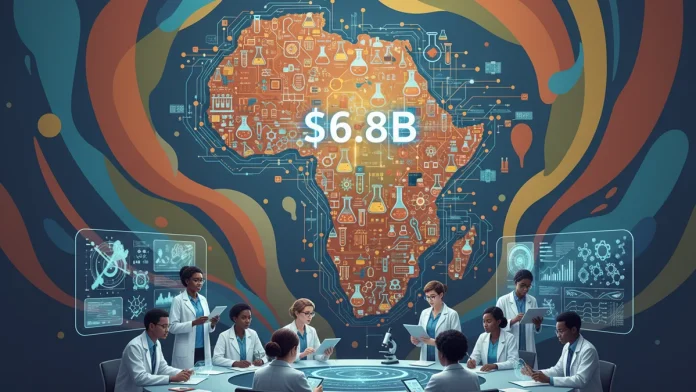
In Addis Ababa this month the African Union said its new 10-year plan for science, technology and innovation will cost $6.8 billion.
That is a lot of money.. In meetings during the Science, Technology and Innovation Week people talked about practical things. They discussed wiring, lab equipment and grant systems.
The plan is not new. Africa has been talking about working on science and innovation for over 10 years. What is new is the focus on making it happen. The first phase, from 2025 to 2029 needs $2.6 billion. Most of that money will be used to improve what already exists. Like modernizing laboratories and building platforms.
That is important. Many universities in Africa have equipment and poor internet. A biology lab may have students but no reliable cold storage. An engineering department may have to share a machines with hundreds of students. Modernizing is not exciting. It is necessary.
By 2030 the plan will focus more on research, innovation hubs and making products. The second phase will get $4.2 billion. The goal is to turn research into products and companies.
The problem is finding the money. The African Education, Science, Technology and Innovation Fund is supposed to help. A group of 10 presidents will try to get resources. There will be meetings with governments, private companies and development partners.
On paper it looks good.. Officials know that getting external funding can be unpredictable.
There are some signs of support. The Science Granting Councils Initiative promised $42 million for 2026 to 2030. It is a start but it is not enough.
The plan also asks governments to spend at least 1% of their GDP on research and development. Few countries do that now. Many governments have budgets. They have to choose between health, debt and infrastructure.
The push feels right. Agriculture, health, energy and the environment are important. They affect people’s lives. Crop failures, hospital shortages and energy grids are problems.
At a news conference AU Commissioner Gaspard Banyankimbona talked about turning African research into African products and jobs. It is a goal. The difference now is the attempt to build a continental financing mechanism.
Still working with 55 member states is a task. Each country must designate points align national strategies and report progress. Annual forums will track progress.
For researchers, in Nairobi, Lagos or Kigali the question is simple. Will grants be easier to get? Will labs get upgraded? Will collaborations move faster?
The $6.8 billion figure is a goal. It is ambitious, but not impossible. Whether it. Not will depend on steady follow-through. Budget lines approved, funds disbursed equipment delivered.
Africa has outlined its science future. The harder part will be paying for it.