

If you ask a group of adults about something like interest rates or inflation you will notice that some people will just take a guess. Others will simply shrug their shoulders. Say they do not know.
Studies done in Spain the United States and Germany have shown that women are more likely to say they do not know. People usually think this means women do not know much about money.. Some new research says that the problem might start earlier with how men and women decide to learn about money in the first place.
A study from the Universitat Oberta de Catalunya looked at 900 students, tutors and academic advisers. Even though these people had a university education they did not know much about money. The difference between men and women was clear. The researchers found that men and women tend to learn about money in ways.
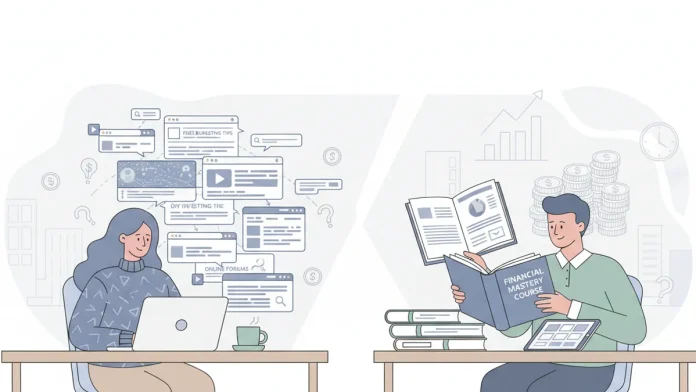
Women often use resources to learn about money like training at work articles on the internet and general searches online. They might also take courses that’re part of a bigger program. Men on the hand are more willing to pay for special training like masters degrees or certificates in finance. Men are more likely to spend money to learn about money. They try to learn from different sources, which is important.
This difference might seem small. It is not. There is a lot of information about money but it is not always good. Anyone who has tried to compare mortgage offers or understand investment products online knows how confusing it can be. Without an understanding of money it is hard to know what information is reliable and what is just advertising. Paid programs can provide structure and good content, which helps to make things clearer.
Researchers say that people who use different sources to learn about money tend to know more about it. This means that using sources is helpful.. Peoples choices about how to learn are shaped by what they can access and how confident they feel. If someone only uses resources to learn about money they might not get a deep understanding of it.
The consequences of this are seen in life. People make decisions about loans buying homes and retirement plans. In households men are still more likely to make big financial decisions. This is not always because men have power but because they might feel more competent. If one partner feels less informed they might let the other partner make the decisions.
Knowing about money affects more than investments. It also affects how confidently someone can handle things like fraud, contracts and starting a business. Without an understanding of money it is easier to let someone else make decisions like a bank adviser or a salesperson. These people might not always have your interests in mind.
What is interesting is that this gap in knowledge about money exists among people with university degrees. Having a university education does not guarantee that someone knows about money. The difference in how men and women learn about money suggests that closing the gap is not about providing more information. It might require changing how that information is presented, priced and promoted.
Money is something that affects everyone. We all have to deal with things like rent, bills, savings and debt.. Peoples comfort levels with these topics still vary. If education systems want to narrow the gap they might need to look less at test scores and more, at how people choose to learn about money and whether they feel like they have the opportunity to make those choices.