

The question many beginners ask is simple yet profound: “How do I start programming if I don’t even know where to begin?” Most newcomers jump into tutorials, follow step-by-step guides, and soon feel lost. The truth is, the challenge isn’t always about mastering a language’s syntax—it’s about understanding the process of building software.
At the heart of programming lies decomposition. Writing code is less about stringing together commands in Python or Java and more about breaking a problem into smaller, manageable pieces. Just like you can’t eat an elephant whole, you can’t solve a large coding task without slicing it into smaller, structured steps. This skill is what separates a beginner from someone who can design scalable, understandable, and maintainable systems. Anyone can solve algorithm puzzles after practice, but the ability to build an architecture that works for a team is a higher level of expertise.
Tutorials often get a bad reputation, but they have their place. For beginners, programming tutorials are a launchpad. They demonstrate how a project is structured, what a full application looks like, and how its parts connect. Even if those projects are not unique, they provide the essential foundation to understand workflow, structure, and design principles.
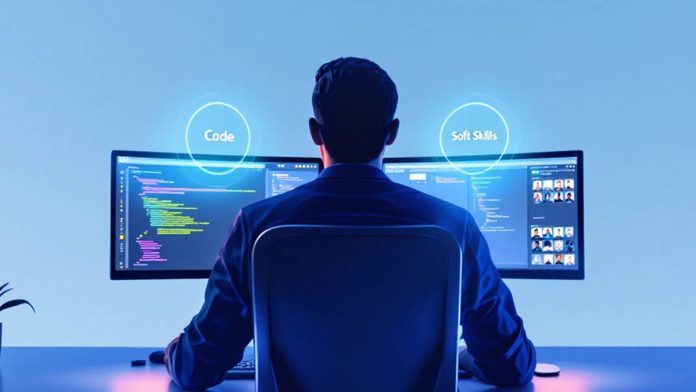
But beyond the technical, there is another decisive factor: soft skills for programmers. Many believe programming is just about coding in isolation, but the reality is different. Companies look for people who can collaborate, communicate, and solve problems together. Teams are built on developers who may have average technical skills but excellent interpersonal abilities. They can explain their logic, listen to feedback, and resolve conflicts. On the other hand, brilliant but toxic programmers are rarely kept long-term—because no team wants to deal with dysfunction, no matter how good the code is.
The job market makes this reality clear. You can claim you write the cleanest code, but interviews test more than syntax knowledge. Employers want to see how you articulate your ideas, handle collaboration, and adapt to a team environment. Ignoring soft skills is one of the biggest mistakes aspiring developers make, as it often blocks them from career growth.
So what does the real path to becoming a programmer look like? Start with decomposition, practice with tutorials to understand project workflows, and invest time in developing soft skills. Work on architectural thinking from day one—not just writing code but understanding how systems function as a whole. Even introverts can succeed if they can listen and explain their ideas clearly, because effective teamwork isn’t about being loud, it’s about being constructive.
Conclusion: Programming is not chaotic key-pressing or magical talent. It’s a systematic discipline that combines problem breakdown, architectural thinking, and human communication. A programmer who only codes is just a cog in the machine, but one who can design, explain, and collaborate is the person who drives innovation forward. In 2025, success in programming is not about choosing between soft skills or code—it’s about mastering both.